
Heating, cooling and ventilation may not be the most exciting part of running your business—but they play a critical role in how your business operates. When your HVAC system is working properly, you probably don’t think about it at all. But behind the scenes, it is supporting employee productivity, customer comfort, indoor air quality, operating costs, regulatory compliance, and even your brand reputation.
This guide takes a big-picture approach to commercial HVAC. Rather than focusing only on equipment, we’ll explore how these systems function within the larger building ecosystem—and how thoughtful planning can reduce downtime, control costs, and future-proof your investment. Whether you’re opening a new space, upgrading an aging system, or simply trying to better understand what you have, this guide will help you make more informed decisions
Commercial vs. Residential HVAC
While both commercial and residential HVAC systems heat, cool, and circulate air, commercial HVAC systems are built for greater scale and complexity.
Commercial systems are designed to:
- Serve larger square footage
- Operate for extended hours
- Handle higher occupancy levels
- Maintain comfort across multiple zones
- Meet stricter safety and efficiency standards
Residential systems typically aren’t equipped for this level of demand—especially when it comes to zoning. In commercial spaces, different areas often require different temperatures. For example, a stockroom, office, and conference room all have unique needs. Commercial systems are designed to handle that complexity.
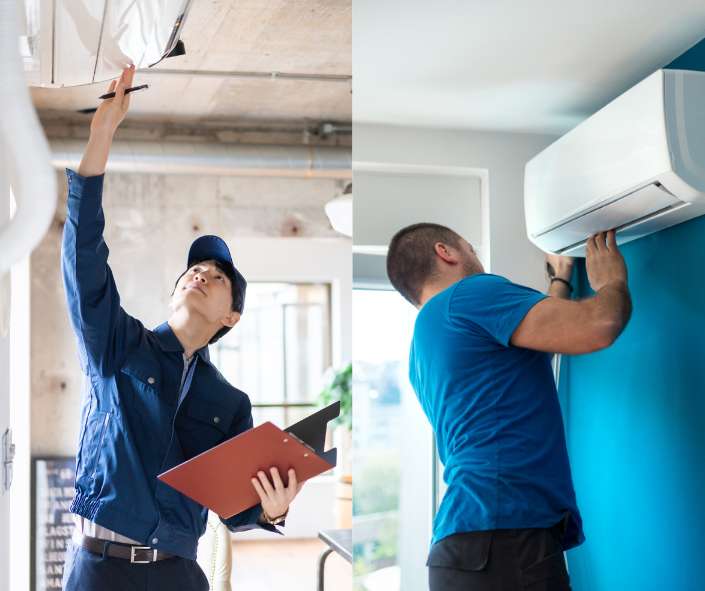
Core Components of a Commercial HVAC System
Heating and Cooling Equipment
Systems may include rooftop units, boilers, furnaces, chillers, heat pumps, or a combination. The right solution depends on your building, climate, usage, and energy goals.
Air Distribution
Ductwork, vents, and diffusers deliver conditioned air throughout the building. Proper design is essential for maintaining comfort and efficiency, especially in large or open spaces.
Ventilation
Ventilation systems bring in fresh outdoor air and remove stale air, supporting indoor air quality and helping meet building codes—especially in high-occupancy environments.
Controls and Automation
Modern systems use thermostats, building management systems (BMS), and smart controls to regulate temperature, airflow, and scheduling. These tools enable zoning, remote monitoring, and improved energy efficiency.
Why System Design Matters
Design is one of the most important factors in commercial HVAC performance. Even the most efficient equipment will underperform if it’s improperly sized or installed.
- Oversized systems cycle too frequently, wasting energy and increasing wear
- Undersized systems run constantly, driving up costs and reducing lifespan
Key factors to consider include:
- Building layout and ceiling height
- Insulation and overall building envelope
- Occupancy patterns
- Heat-generating equipment
- Sun exposure and window placement
Zoning: A Must-Have for Commercial Spaces
Zoning allows different areas of your building to be heated or cooled independently. This improves comfort and reduces energy waste by delivering conditioned air only where it’s needed.
Zoning is especially valuable for:
- Offices with mixed-use spaces
- Retail stores with large windows
- Medical facilities with specialized rooms
- Restaurants with separate kitchen and dining areas
Energy Efficiency

Energy efficiency does more than reduce monthly utility bills—it helps stabilize long-term costs, extend equipment lifespan, and support sustainability goals.
If a high-efficiency system isn’t in your current budget, you can still improve performance by:
- Upgrading to advanced controls or smart thermostats
- Sealing ductwork
- Improving insulation
These improvements can deliver meaningful savings over time.
Indoor Air Quality (IAQ)
Indoor air quality is no longer optional—especially in commercial settings. Clean air supports health, comfort, and overall satisfaction for employees and customers alike.
Commercial HVAC systems can improve IAQ through:
- Proper ventilation
- High-efficiency filtration
- Humidity control
- Air purification technologies
Cleaner air also helps protect your system by reducing dust and buildup.
Maintenance Matters
Routine maintenance is one of the simplest and most cost-effective ways to protect your investment—yet it’s often overlooked.
A typical commercial maintenance plan includes:
- Seasonal inspections
- Filter changes
- Performance testing
- Safety checks
Compared to emergency repairs or premature system replacement, maintenance offers a strong return on investment.
Plan for Growth
Businesses evolve, and your HVAC system should be able to adapt. Planning ahead allows you to accommodate expansion, occupancy changes, and shifting operational needs without major disruptions.
Choosing a flexible, scalable system today helps ensure long-term performance.
Common Commercial HVAC Mistakes
Avoid these common pitfalls:
- Choosing equipment based on price alone
- Skipping load calculations
- Overlooking zoning opportunities
- Waiting for system failure before planning replacements
- Delaying routine maintenance
Work with a Professional
While this guide provides a solid foundation, commercial HVAC systems are too complex for guesswork. A qualified professional can assess your building, identify opportunities, and recommend solutions tailored to your needs.
Get Expert Help
For more information, contact the Pierce Refrigeration team, and one of our experts will guide you in finding your solution.
Need 24/7 emergency service? Looking for advice on improving your everyday air quality and comfort at home and work? Contact the friendly staff at Pierce Refrigeration at 800-696-1088 or email us at: info@piercerefrig.com.