

Indoor air quality isn’t something most of us think about every day, yet it has a significant impact on our health and comfort. The air inside your home can affect everything from how well you sleep to how easily you breathe. In some cases, poor indoor air quality can even contribute to headaches, fatigue, and difficulty concentrating. As HVAC professionals, we know that true comfort goes beyond temperature—it’s also about the quality of the air you breathe.
Most people spend the majority of their time indoors, whether at home or at work. While you can’t control the air quality everywhere you go, you can take steps to improve it in your own home. Common indoor pollutants such as dust, pet dander, pollen, mold spores, bacteria, volatile organic compounds (VOCs), and other microscopic particles can circulate through your HVAC system every day. Because these pollutants are often invisible, your body may notice them long before you do.
The Myth About Air Quality
When people think of air pollution, they often picture smog-filled city skylines. While outdoor pollution certainly exists, indoor air can actually be more polluted because contaminants become trapped inside.
Today’s homes are built to be tightly sealed for energy efficiency, which helps reduce heating and cooling costs. However, without proper ventilation and filtration, those same airtight homes can also trap airborne pollutants. Maintaining healthy indoor air requires the right balance of efficiency, ventilation, and filtration.
Even if your home looks spotless, pollutants can still come from everyday sources, including:
- Dust and dust mites
- Pet hair and dander
- Seasonal pollen
- Mold spores, especially in damp areas
- Smoke and cooking fumes
- Household cleaning products
- VOCs released from furniture, paint, flooring, and candles
- Naturally occurring bacteria and airborne pathogens
A properly maintained HVAC system plays a major role in capturing many of these contaminants and improving the quality of the air throughout your home.
Improving your indoor air quality can lead to benefits such as:
- Better sleep
- Reduced allergy symptoms
- Easier breathing
- Less dust buildup
- Fresher-smelling indoor spaces
- Improved HVAC efficiency
- Greater overall comfort
Signs Your Indoor Air Quality May Be Declining
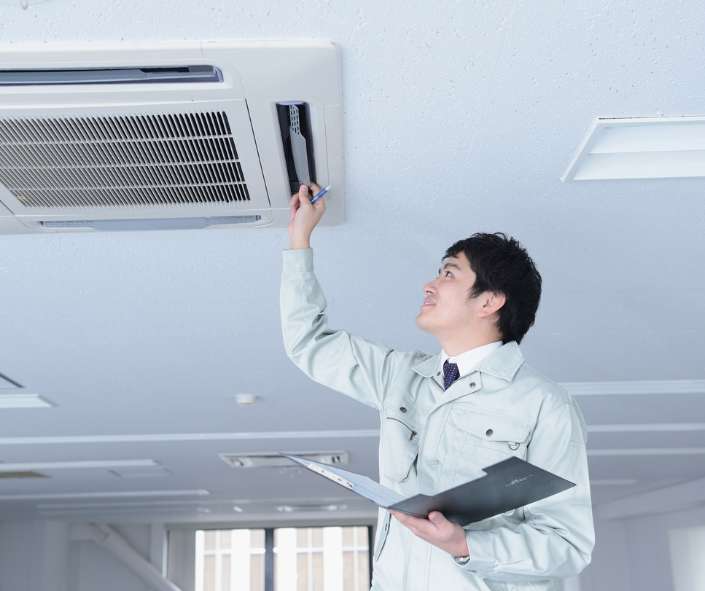
Poor indoor air quality doesn’t usually happen overnight. Instead, it often appears through subtle changes around your home or in the way you feel.
Common warning signs include:
- Frequent dust buildup
- Lingering odors
- Excess humidity or overly dry air
- Allergy symptoms that worsen indoors
- Headaches or fatigue at home
- Stuffy or stale air
- Uneven airflow between rooms
- Increased respiratory irritation when your HVAC system is running
- Worsening asthma symptoms
- Dry skin, irritated sinuses, or static electricity during colder months
Start With Your Air Filter
One of the simplest ways to improve indoor air quality is by regularly replacing your HVAC air filter.
Most filters should be changed every one to three months, although homes with pets, smokers, higher occupancy, or family members with allergies may require more frequent replacement.
If you’d like even better filtration, ask your HVAC professional about upgrading to a higher MERV-rated filter. Higher-efficiency filters capture smaller airborne particles, but it’s important to choose one that’s compatible with your HVAC system to avoid restricting airflow.
Don’t Overlook Your Ductwork
Your ductwork distributes conditioned air throughout your home, but over time it can also collect dust and debris. In certain situations, moisture problems may even allow mold to develop.
If your ductwork is dirty or damaged, those contaminants can circulate throughout your home. Having your ductwork inspected and cleaned or sealed when necessary can help improve both indoor air quality and HVAC performance.
Why Humidity Matters
Humidity plays a major role in indoor comfort and air quality.
Too much humidity can encourage mold growth, mildew, dust mites, and musty odors. Too little humidity can lead to dry skin, irritated sinuses, nosebleeds, static electricity, and respiratory discomfort.
Maintaining indoor humidity between 30% and 50% helps create a healthier, more comfortable environment. Whole-home humidifiers and dehumidifiers can help maintain ideal moisture levels throughout the year.
The Importance of Proper Ventilation
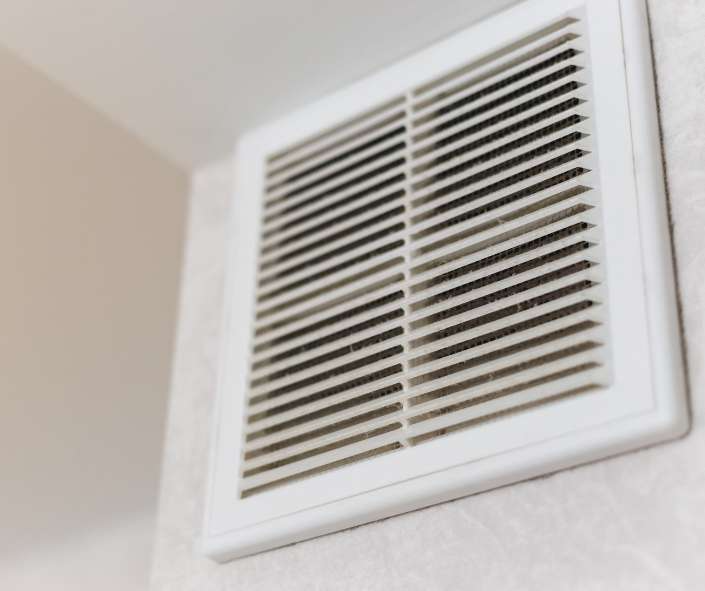
Ventilation brings fresh air into your home while helping remove stale indoor air.
In addition to properly functioning kitchen and bathroom exhaust fans, some homeowners choose to install Energy Recovery Ventilators (ERVs) or Heat Recovery Ventilators (HRVs). These systems introduce fresh outdoor air while minimizing energy loss, helping improve indoor air quality without sacrificing efficiency.
Routine Maintenance Makes a Difference
Regular HVAC maintenance is one of the best ways to protect your indoor air quality.
During seasonal tune-ups, technicians inspect your system for issues that may affect airflow, humidity control, filtration, and overall performance. Preventive maintenance also helps reduce equipment strain, improve efficiency, and catch small problems before they become expensive repairs.
Scheduling maintenance each spring and fall can help keep both your HVAC system and your indoor air performing at their best. If you have concerns about the air inside your home, an indoor air quality assessment can also identify pollutants and recommend the right solutions.
When Air Purification is the Right Solution
For homes with allergies, asthma, pets, or other indoor air quality concerns, supplemental air purification may provide additional protection.
Options include:
- Whole-home air purifiers
- Electronic air cleaners
- UV germicidal lights
- Air scrubbers
- Advanced filtration systems
Your HVAC professional can recommend the best solution based on your home’s needs.
Get Expert Help
For more information, contact the Pierce Refrigeration team, and one of our experts will guide you in finding your solution.
Need 24/7 emergency service? Looking for advice on improving your everyday air quality and comfort at home andwork? Contact the friendly staff at Pierce Refrigeration at 800-696-1088 or email us at: info@piercerefrig.com.